The Bolsa Família Program continues to serve as a crucial support for millions of Brazilian families heading into 2026.
This article explores the new payment schedules, benefit adjustments, and accessible methods for checking your CPF-related eligibility.
Whether you are following welfare changes closely or managing a household budget, the guidance here may help make sense of recent updates.
This content is tailored for current and prospective beneficiaries, social workers, and readers seeking clarity on how Bolsa Família operates in 2026.
Expect insights on eligibility, payment timing, and the latest government protocols for ensuring you remain compliant and informed.
The Evolution of Bolsa Família in 2026
By 2026, the Bolsa Família program has evolved through several government review cycles. While its core mission remains targeting low-income families, there are noticeable adjustments in both benefit distribution and eligibility checks.
These changes likely reflect ongoing economic shifts and policy objectives, alongside new tech-driven strategies.
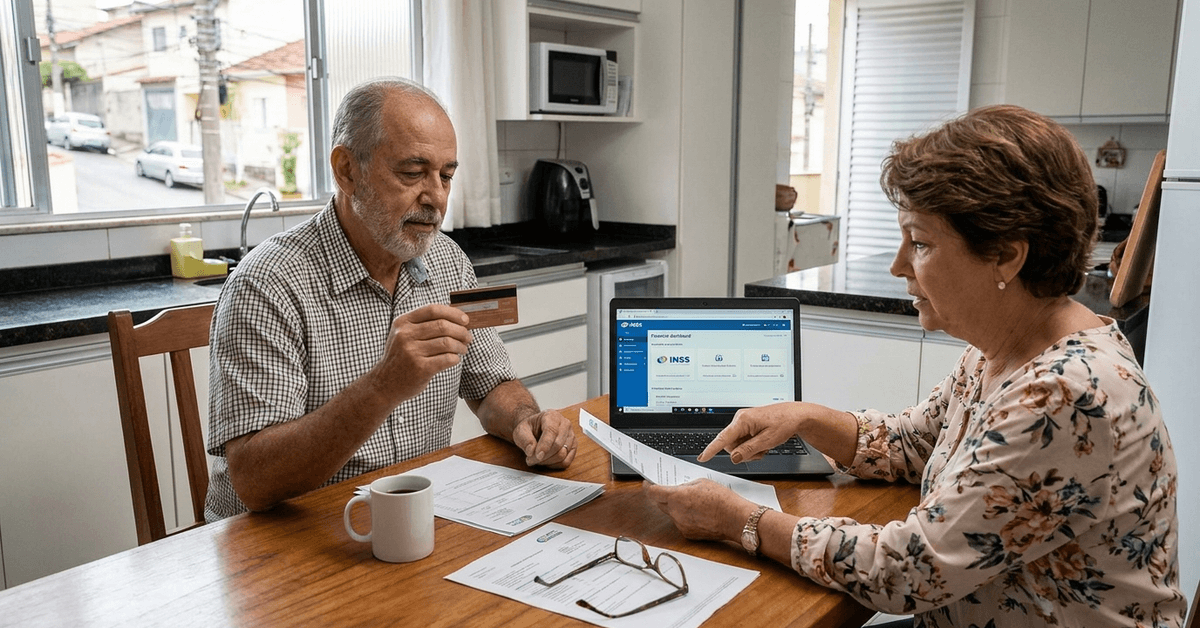
The emphasis now is on more digital communication and less paperwork. This approach, theoretically, should simplify access, but there are some challenges.
Perhaps occasional misunderstandings about app usage or document requirements linger, but overall, the shift aims to reduce bureaucracy and speed up processes.
Some may find this move a relief; others, especially those less tech-savvy, might see it as one more hurdle.
Understanding the 2026 Bolsa Família Payment Schedule
Planning around payments is an essential part of financial management for beneficiary families.
The government usually releases an official payment calendar each year, designed to distribute resources efficiently and predictably. For 2026, a few changes stand out.

Annual Release of the Calendar
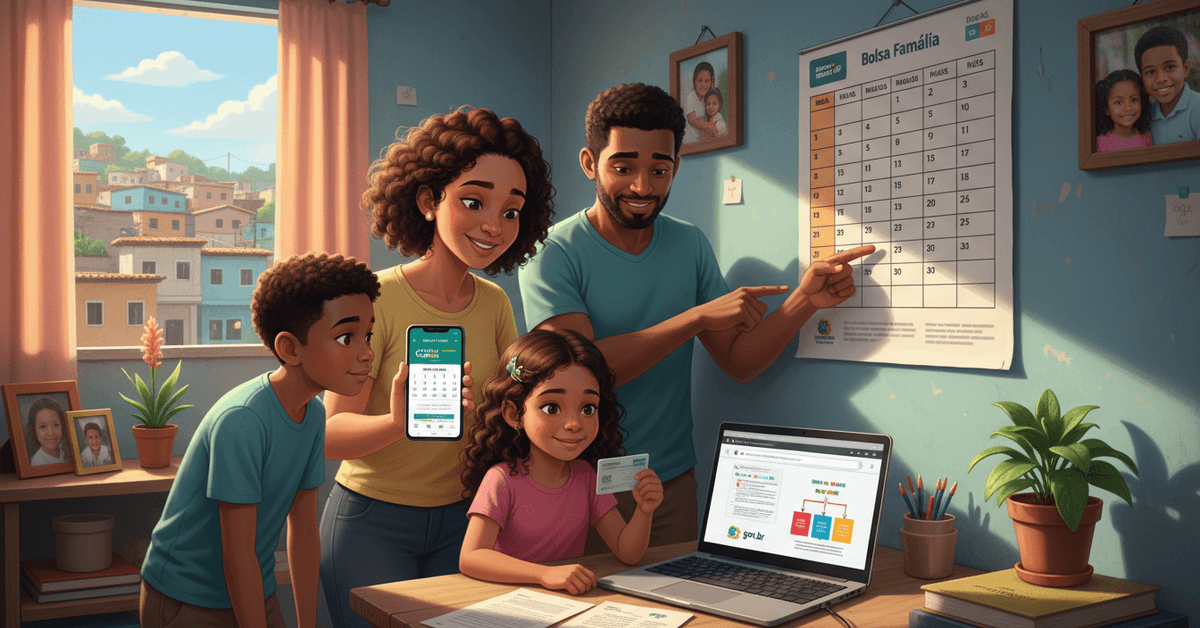
Typically, the calendar for Bolsa Família payments appears at the beginning of the year. It maps out payment dates based on the final digit of each family’s NIS (Número de Identificação Social).
Payments are often distributed throughout the month to prevent banking congestion and allow orderly access.
NIS Number and Payment Dates
Your NIS remains fundamental for determining your payment date. In 2026, as in previous years, each last digit corresponds to a specific day within the payment window.
Families with a NIS ending in 1 usually receive their funds earlier in the cycle, for example, while higher-ending numbers follow on subsequent days. That way, the system minimizes lines and crowding at bank branches or ATMs.
How to Access the 2026 Calendar
The official calendar is often available on the gov.br website, or through the Caixa Econômica Federal channels. The Ministry of Social Development tends to release PDFs, posters, and digital resources to facilitate widespread access.
Not all users download the calendar—some rely on printed copies at community centers or local offices. Being aware of both online and offline options may help avoid missed payments.
Bolsa Família Benefit Amounts in 2026
For many, the main question is: how much is Bolsa Família paying in 2026? The value tends to change following federal adjustments for inflation, policy focus, or economic indicators.
While amounts are updated regularly, there are core benefit types and a few increment categories to keep in mind.
Base Benefit Value
The basic benefit forms the foundation of Bolsa Família. Every household that qualifies through the income criteria receives this amount.
In 2026, the exact value generally reflects cost-of-living adjustments; official releases in early January usually provide precise figures. Essentially, this baseline guarantees a minimum monthly support per household regardless of family composition.
Variable Benefit Additions
Bolsa Família also grants variable benefits for families with children, adolescents, pregnant women, or breastfeeding mothers.
The idea is to encourage participation in schooling and preventive healthcare—regular school attendance or child vaccinations, for instance, may qualify a household for these increments.
The actual per-child or per-dependent rate changes periodically, so consulting the 2026 documentation or checking with a local agency may be worth the extra step. Some families qualify for more than one of these increments if household composition allows it.
Other Special Additions and Bonuses
Occasionally the government introduces temporary bonuses, especially during periods of crisis or social campaigns. Examples include supplementary payments during pandemics or targeted increases for vulnerable demographic groups.
In 2026, some experts predict modest one-time bonuses—although these aren’t always guaranteed and depend on national policy choices.
Checking CPF Eligibility for Bolsa Família in 2026
The CPF (Cadastro de Pessoas Físicas) remains a central requirement for Bolsa Família eligibility and payment validation.
The CPF system links your personal information with government databases, ensuring you receive correct benefit allocation and preventing duplicate records.
Why CPF Status Matters
Each member of a beneficiary family should have an active CPF. Inactive, invalid, or irregular CPFs may result in benefit suspension or delays.
Sometimes just one incorrect digit—or a mismatch with other documentation—can trigger an unexpected halt in payments. As tedious as it sounds, regular checks of CPF status have become a necessary part of receiving government aid.
How to Check CPF Status in 2026
By 2026, checking your CPF status is generally a digital process. Official portals, especially the Receita Federal website, provide secure access to up-to-date CPF information. For those without internet access, local Caixa agencies or community support centers often help families verify or regularize their documents.
- Visit the official Receita Federal portal
- Enter your CPF number and follow security instructions
- Check for any irregularities or pending requirements
- If issues arise, instructions for regularization are typically provided on the site
In some cases, documentation updates or personal interviews may be requested at an agency. It can take time—sometimes several weeks—for a status change to reflect in Bolsa Família systems, so updating early is generally helpful.
New Technologies in Accessing and Managing Bolsa Família
Alongside the digital expansion, the government has increased focus on mobile-app-based management. The Caixa Tem app stands out as a central access point for both payments and informational updates. However, not every beneficiary is comfortable with these tools, and glitches or usability issues do occur.
Official sources suggest that comprehensive guides and tutorials will be rolled out in 2026, simplifying first-time access. Nevertheless, personal assistance—whether from social workers or banking agents—remains important for those facing technological barriers.
Key Features to Expect in 2026
- Notifications of scheduled payments
- CPF and NIS tracker for document updates
- File upload for quick document submission
- In-app troubleshooting for common questions
Adoption rates may still vary based on region or age group. Residents in rural areas sometimes depend more on physical communication or printed notices, especially if connectivity is limited.
Tips for Avoiding Common Mistakes with Bolsa Família 2026
It’s easy to overlook administrative changes or uneven communication from local offices. Some recipients might even miss payments due to minor mistakes. Below are some reminders that, over time, seem to help maintain active beneficiary status:
- Review the payment calendar each month—even small updates can affect dates
- Ensure every member’s CPF is updated; children born or added to the household should be registered promptly
- Check Caixa and gov.br messages for policy or requirement changes
- Regularly attend health and education commitments when required by the program
- Seek in-person guidance if documents are unclear or you experience unexplained payment stops
Some experiences reveal that families who proactively update their files tend to encounter fewer payment interruptions. Of course, unexpected suspensions sometimes still occur, occasionally due to larger system audits or errors.
Legal Considerations and Updated Regulations
The laws governing Bolsa Família are subject to periodic revision. In 2026, the program continues to fall under federal guidelines, which spell out both the rights of beneficiaries and the government’s obligations.
Staying up to date with new decrees or temporary acts may help reduce unpleasant surprises—especially in an election year or following legislative reviews.
Social workers and advocacy groups often share summarized updates soon after publication. Several reputable media outlets and NGOs publish explainers to clarify legal jargon, which can be helpful for those less familiar with official documents.
Where to Find Reliable Information
- Ministry of Social Development announcements
- Federal government’s official portals like gov.br
- Community resource centers and regional agencies
- Civil society organizations focused on income support rights
Legal considerations occasionally change fast, often reflecting shifts in wider economic priorities. It’s not always possible to anticipate every twist; the safest course tends to be maintaining documentation and regularly checking official sources.
Resources and Further Reading
Beneficiaries or supporters seeking even more detail on Bolsa Família 2026 can usually find updated documents at the following sources:
- gov.br for program information
- Caixa Econômica Federal for payment details
- Receita Federal for CPF regularization
- Local CRAS (Centro de Referência de Assistência Social) centers for personalized advice
- Civil society websites dedicated to social policies in Brazil