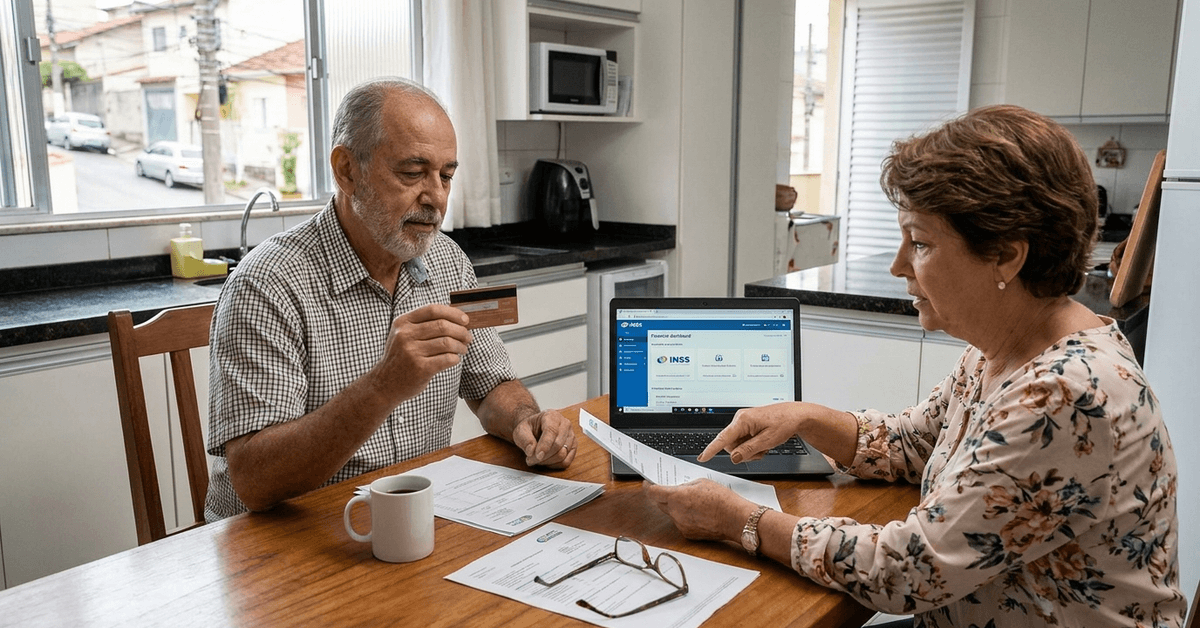
Getting a credit card when you’re self-employed can feel complicated. Many banks ask for pay stubs—a tricky request if your income arrives in pieces or fluctuates each month.
But what if you don’t have a traditional job , or your earnings come from projects or clients?
This article explores how self-employed professionals or freelancers in Portugal can find credit cards without needing a pay stub. Whether you’re a freelancer, small business owner, or independent worker, clear solutions exist.
The main benefit? More accessible financial tools for those shaping their own work lives.
Why Getting a Credit Card Is Tough for the Self-Employed
Many credit card applications expect steady, predictable income . A payslip, or pay stub, serves as proof. For freelancers, that’s rarely the case. Incomes shift, sometimes a lot—project-based payments, seasonal changes, or unpredictable markets all play a part.
Banks and issuers often see this as risky. There’s perhaps some logic to it, but it does mean a fair number of strong, responsible earners are left out. Some lenders just want reassurance, but not everyone has the same path to stable earnings.
Documentation Hurdles
A frustration for the self-employed is documentation. Providing tax returns, client invoices, contracts? Sure, those are possible, but it’s tedious, and acceptance varies by provider. Not every bank knows how to read alternative income documents, either.
Credit Profiles Might Be Thin—or Odd
Someone who just started freelancing might not have a traditional credit record. If you paid bills in cash or didn’t borrow before, your file may be sparse. Oddly enough, you might appear riskier than you are.
Available Credit Card Options for Self-Employed Applicants
The good news: certain banks and card issuers have adapted. Some now let you apply for a credit card without a pay stub , relying on other methods to confirm your financial reliability. Others may even target their offers for freelancers and business owners.
Credit Cards Without Income Verification
A handful of cards require only a basic identity check and a review of your credit score. They may look at your spending, past borrowing history, or the balances in your bank account. These options focus less on where income comes from and more on how you manage what you’ve got.
Secured Credit Cards
Secured cards ask for a deposit as collateral. If you can set some money aside—even if just a small amount—it reduces risk for the bank and lowers their documentation demands. They work like regular credit cards, except your credit limit usually matches your deposit.
Cards for Small Business Owners
If you operate under a business license or open a company account, some providers offer special business cards. Sometimes, these cards require less personal proof of income and focus on your business’s payment history instead.
Typical Requirements to Apply (No Pay Stub Needed)
Though it varies by provider, some common requirements for self-employed credit card applicants include:
- Valid personal identification (e.g., national ID or passport)
- A Portuguese address and proof of residence
- Basic proof of self-employment status (in some cases a tax registration number or business license)
- Recent tax returns or bank statement summaries
- Acceptable credit score (not always required, but improves your chances)
If you’re not required to show a pay stub, banks may lean on these alternative indicators. The specifics, unfortunately, may change based on the lender’s policy and their comfort with evaluating self-employed individuals.
What to Look for in a Credit Card When Self-Employed
The checklist changes if you’re not salaried. What matters most? Some find that flexibility, limits, and fee structures make more of a difference than rewards programs. Others prefer cards that issue fast approvals or offer apps that simplify expense tracking.
Annual Fees and Interest Rates
Without a steady income, high interest rates are riskier. Some cards for the self-employed have no annual fee but might charge a bit more in interest. Others flip this, offering low or zero interest for a promotional period but asking for a modest yearly fee after.
Spending Limits
Strangely, some cards give quite low credit limits to start, especially without standard proof of income. Over time, responsible use may lead to limit increases. The pace? It really depends on the issuer’s confidence in your payment activity.
Expense and Budget Tracking Tools
Several modern cards come with apps or web dashboards. For freelancers juggling many payments, tools to track spending, categorize expenses, and even export for taxes save time—sometimes a lot of headaches, too.
How to Strengthen Your Application as a Self-Employed Worker
Not everyone gets approved the first time. But improving your odds isn’t impossible. Common advice suggests:
- Keep your credit history active—small purchases and timely payments matter.
- Submit tax returns, if available. Even if not required, it might reassure some lenders.
- Prepare a summary of your business activity. A brief letter, or breakdown of clients and income, sometimes helps lenders understand your profile.
- Choose the right card. Cards promoted for freelancers, gig workers, or small business clients tend to require less traditional income proof.
Most banks appreciate extra documentation, even if their online forms seem rigid. It’s possible, in some cases, to visit a branch for a conversation. Sometimes, a little persistence opens doors that online applications close.

Popular Credit Cards in Portugal for Self-Employed Without Pay Stub
The Portuguese market offers a few relevant options. While availability may change, some cards have a track record:
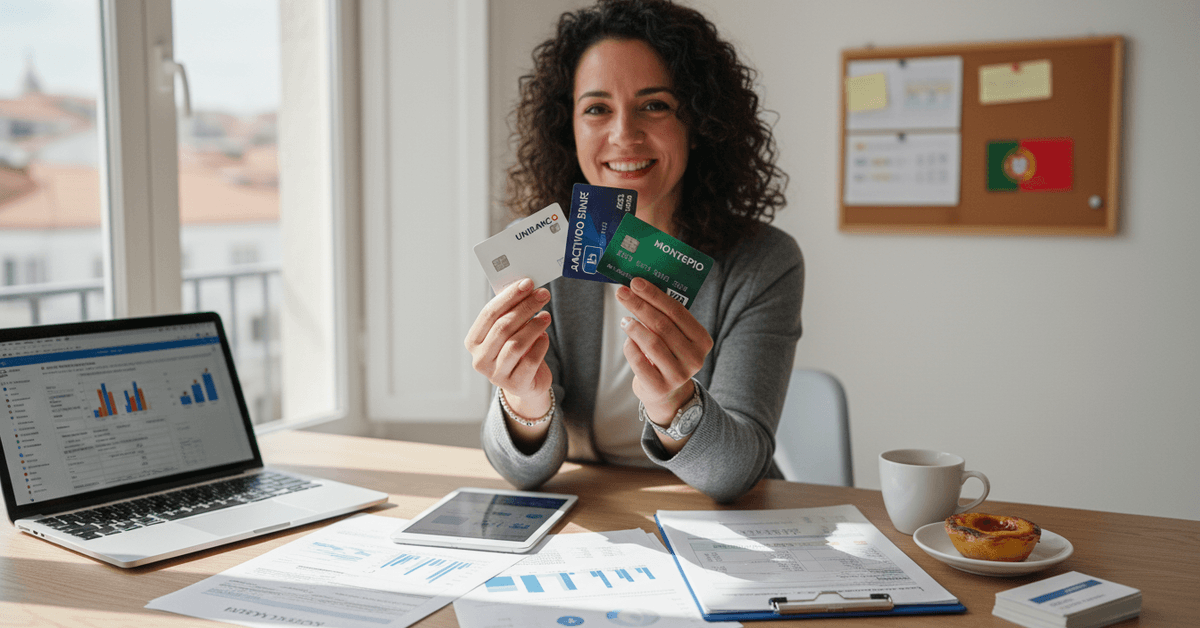
- Unibanco credit card – known for flexible documentation and digital management
- ActivoBank credit card – suitable for freelancers and has a strong mobile platform
- Montepio’s Visa Classic – sometimes available with alternative income proofs
Specific details can change, so it’s always wise to check each provider’s latest policy. Sometimes a new card enters the market or an existing one updates its requirements to attract self-employed clients.
Pros and Cons of Credit Cards with Less Stringent Requirements
Is it a good idea to get a card with no pay stub? Mixed feelings are common. The main advantages include:
- Faster approval, especially for those with irregular income
- No need to prep and submit multiple documents
- Access to flexible spending tools
But, there can be trade-offs:
- Lower credit limits at the outset
- Higher interest rates on unpaid balances
- Less robust reward schemes, sometimes
For some, the convenience outweighs the downsides. For others, it’s worth comparing carefully—or waiting until more documentation becomes available.
Frequently Asked Questions About Self-Employed Credit Cards
Can I get a credit card as a freelancer or gig worker in Portugal?
Yes, there are options tailored for independent workers. Some banks want alternative proof, like tax returns, but others make the process less demanding, especially if your credit report is healthy.
Will my credit limit increase over time?
Often, yes. Responsible use and steady payment history can lead to limit increases, even for cards initially offered with a low ceiling due to missing documentation.
Is a secured card a good choice for the self-employed?
It can be. If you can handle the initial deposit, it provides a path to building or restoring credit. The deposit is usually refunded if you close the card in good standing.
Legal and Tax Considerations
Don’t overlook the tax side—credit cards aren’t just for spending. If you keep business and personal expenses mixed, taxes can get messy. In Portugal, it’s possible to use credit card statements as partial proof of deductible expenses—but detailed receipts are often still needed.
For sole proprietors and individual business owners, careful separation of accounts helps avoid confusion. And, as a rule, interest payments or annual fees might not always be deductible—clarify with an accountant or through the official Finanças portal.
Missing payments affects your credit report. Like with salaried applicants, regular, on-time payments benefit your score. Late payments—even by accident—can have long-lasting effects, far beyond a single bill or application.