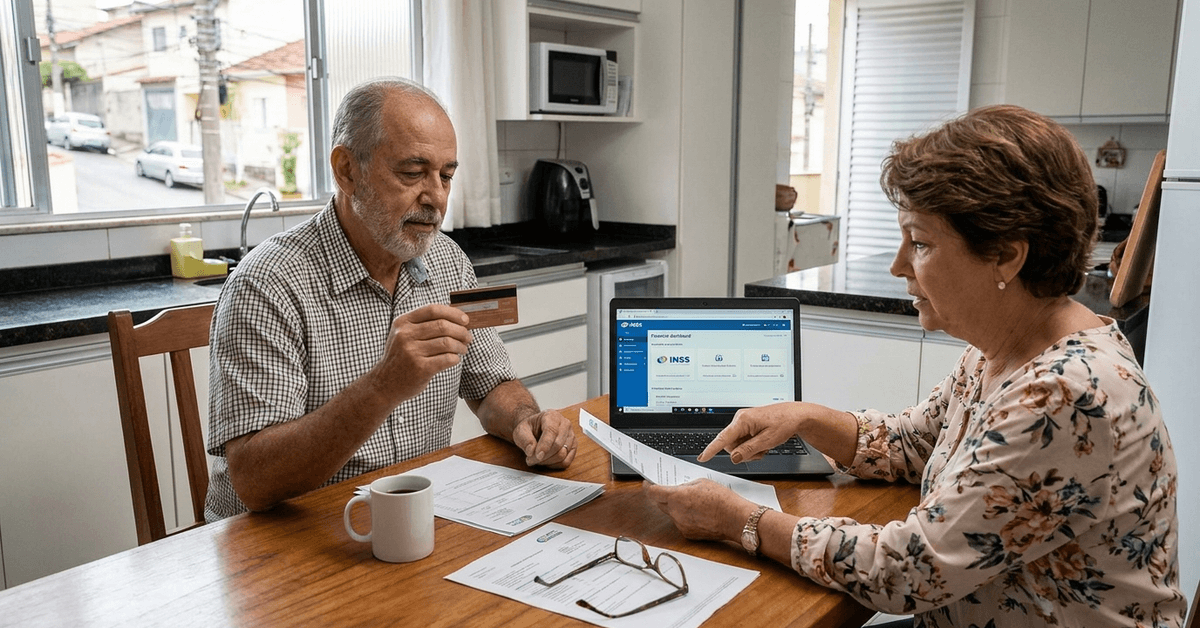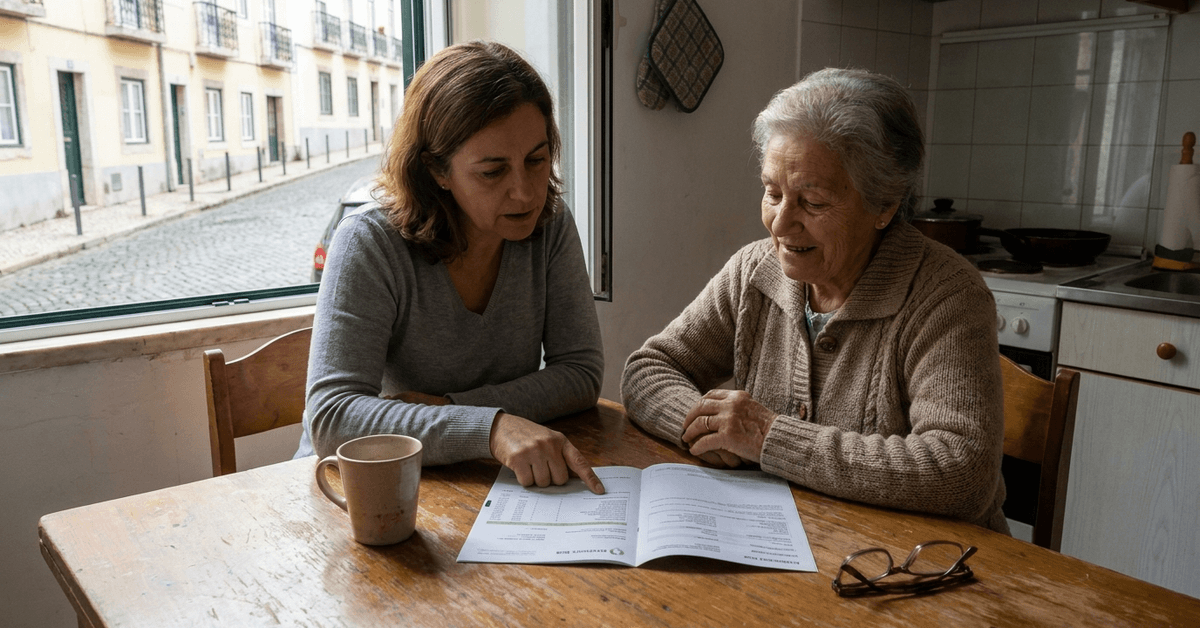
Getting a loan with bad credit can feel difficult, especially when money is needed quickly. In Brazil, this situation is often linked to having a low credit score, unpaid debts, or a restricted CPF, sometimes called having a “nome negativado.” Many people look for fast loan options when they need to cover urgent bills, car repairs, medical expenses, or overdue payments.
However, fast approval should never be the only factor in your decision. A loan may be approved quickly, but the total cost can be high if the interest rate, fees, repayment term, and penalties are not reviewed carefully. Before applying, it is useful to understand how credit options for people with bad credit usually work in Brazil.
Understanding Bad Credit in Brazil
Bad credit in Brazil usually means that your financial history shows missed payments, unpaid debts, or a low credit score. This information may appear in credit bureaus such as Serasa, SPC Brasil, Boa Vista, or other credit databases used by lenders. Banks and financial institutions use this information to estimate the risk of lending money.
When the risk is higher, approval may become harder or more expensive. Some lenders may still approve the loan, but they often charge higher interest rates or require extra guarantees. This is why borrowers should compare more than one offer before accepting any agreement.
How Fast Approval Loans Usually Work
Fast approval loans are usually offered through banks, fintechs, credit platforms, or financial companies. The application is often completed online, and the lender may give a preliminary answer within minutes or hours. However, fast approval does not always mean instant money in the account.
The lender still needs to verify personal information, income, bank details, and sometimes identity documents. In some cases, the institution may also check your credit history or request additional proof before releasing the funds. If anything is inconsistent, the process can take longer or the application may be denied.
Common Requirements for Brazilian Borrowers
Most lenders in Brazil ask for basic documents before approving a loan. The exact requirements depend on the institution and the loan type, but the goal is usually to confirm identity, income, and repayment capacity.
Common requirements may include:
- CPF and valid identification document
- Proof of residence
- Proof of income or bank statements
- Active bank account
- Minimum legal age
- Credit and risk analysis
- Additional documents, depending on the lender
Before sending personal data, borrowers should confirm that the company is legitimate. One useful step is checking whether the lender is listed through the Banco Central’s official institution search tool, which helps users verify institutions regulated or supervised by the Central Bank of Brazil.
Loan Options for People With Bad Credit
There are different types of credit available for people with bad credit in Brazil. None of them is perfect for everyone, so the best option depends on income, urgency, debt level, and repayment capacity.
Personal Loans
Some banks and fintechs offer personal loans even to people with lower credit scores. These loans may be easier to request online, but the interest rate can be higher when the borrower has a negative credit history. The main advantage is flexibility, since the money can usually be used for different purposes.
Secured Loans
A secured loan uses an asset as collateral, such as a vehicle or property. Because the lender has a guarantee, the borrower may access better conditions than with an unsecured personal loan. However, this option carries serious risk because the asset may be lost if payments are not made.
Payroll Loans
Payroll loans, known in Brazil as “empréstimo consignado,” are available to specific groups, such as retirees, pensioners, public employees, and some formal workers. Payments are deducted directly from income or benefits, which may reduce lender risk. Even so, borrowers should check the full cost and avoid taking repeated loans that reduce monthly income too much.
Debt Renegotiation
For some people, renegotiating existing debts may be safer than taking a new loan. This can reduce interest, extend payment terms, or create a more realistic repayment plan. It is especially useful when the main goal is to clear old debts and rebuild credit history.
What to Check Before Accepting a Loan
When credit is urgent, it is easy to focus only on speed. However, the most important number is not just the monthly installment. Borrowers should check the total amount paid over the full loan period.
In Brazil, one essential item is the CET, or Total Effective Cost. The CET includes interest, fees, taxes, insurance, and other charges connected to the loan. The Banco Central’s official loan and financing guidance explains why borrowers should look beyond the interest rate and compare the full cost of credit.
Main Risks of Fast Loans for Bad Credit
Fast loans can help in urgent situations, but they can also become expensive. Borrowers with bad credit may receive offers with higher rates, shorter repayment periods, or strict penalties for late payments. If the loan is not planned carefully, it can create a new debt problem instead of solving the current one.
Another risk is fraud. Some fake lenders ask for upfront payments before releasing the loan, which is a major warning sign. Legitimate lenders usually do not require advance deposits to approve credit.
How to Improve Your Approval Chances
Even with bad credit, a borrower can take steps to make the application stronger. The goal is to reduce uncertainty for the lender and avoid mistakes that could lead to rejection.
Useful steps include:
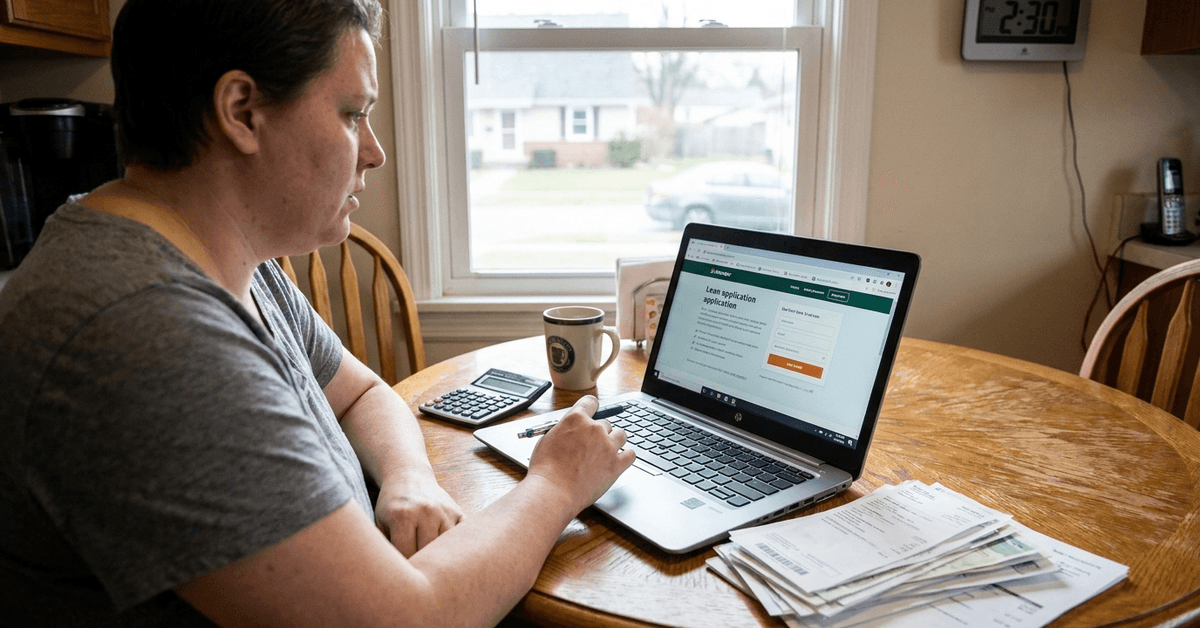
- Fill out the application carefully
- Use accurate income information
- Prepare documents before applying
- Avoid sending multiple applications at once
- Compare official and reputable lenders
- Check whether the monthly payment fits your budget
- Avoid offers that promise guaranteed approval
These steps do not guarantee approval, but they can help avoid unnecessary delays and risky offers.
Comparing Lenders in Brazil
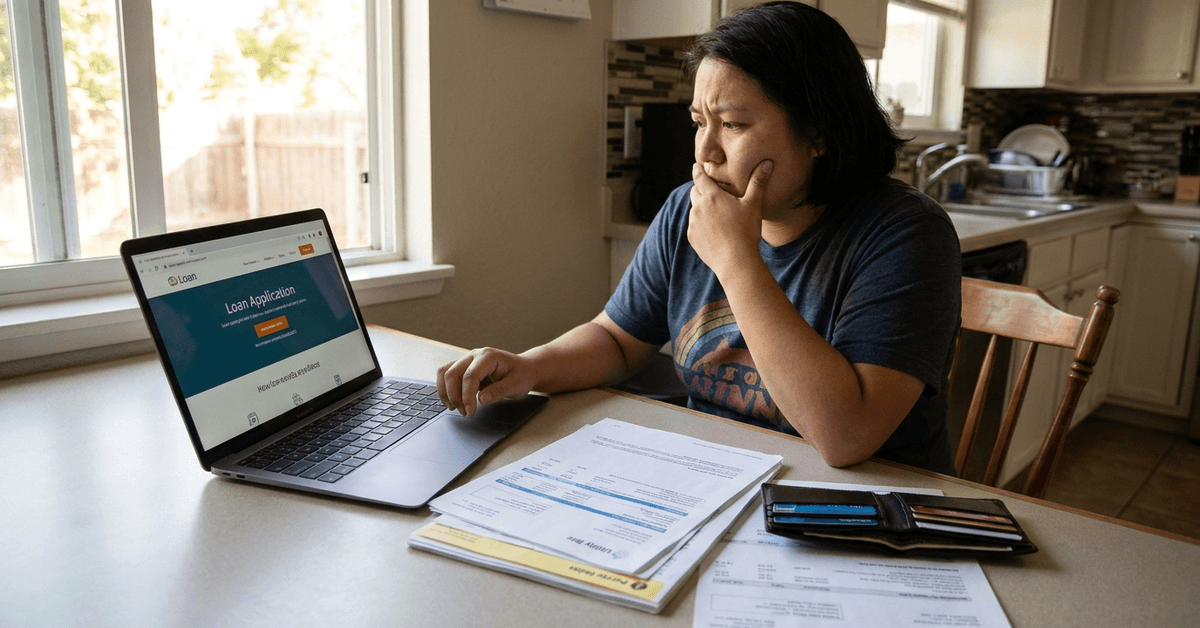
Not all lenders use the same criteria. One bank may reject an application while another may approve it with different conditions. That is why comparison is important, especially for people with bad credit.
Before choosing an offer, compare:
- Interest rate
- CET
- Monthly payment
- Total repayment amount
- Loan term
- Late-payment penalties
- Early repayment conditions
- Company reputation
- Whether the institution is regulated
A slightly slower approval process may sometimes lead to a safer and cheaper option. Speed matters, but it should not replace careful comparison.
Frequently Asked Questions
Can I get a loan in Brazil with bad credit?
Yes, some lenders may approve borrowers with bad credit, but conditions are usually stricter. Interest rates may be higher, and the lender may request proof of income or collateral.
Is same-day approval guaranteed?
No. Some lenders may provide a quick response, but final approval depends on document checks, credit analysis, and internal rules. Any company promising guaranteed approval should be reviewed carefully.
Will applying affect my credit score?
It can, depending on how the lender checks your credit profile. Some checks may affect your score, while others may not. Borrowers should avoid sending too many applications in a short period.
What is the safest option for bad credit?
The safest option is usually the one with a clear contract, regulated lender, affordable installment, and transparent CET. A loan should solve a financial need without creating a long-term debt cycle.
Final Thoughts
A fast loan for bad credit in Brazil can be useful in urgent situations, but it should be handled with caution. The most important step is comparing the CET, repayment term, monthly installment, lender reputation, and total cost before signing. Borrowers should also avoid offers that sound too easy, especially those asking for upfront payments.
When used carefully, credit can help organize financial pressure or cover an emergency. However, the best loan is not always the fastest one. It is the one that fits your budget, comes from a trustworthy institution, and does not create a bigger problem later.