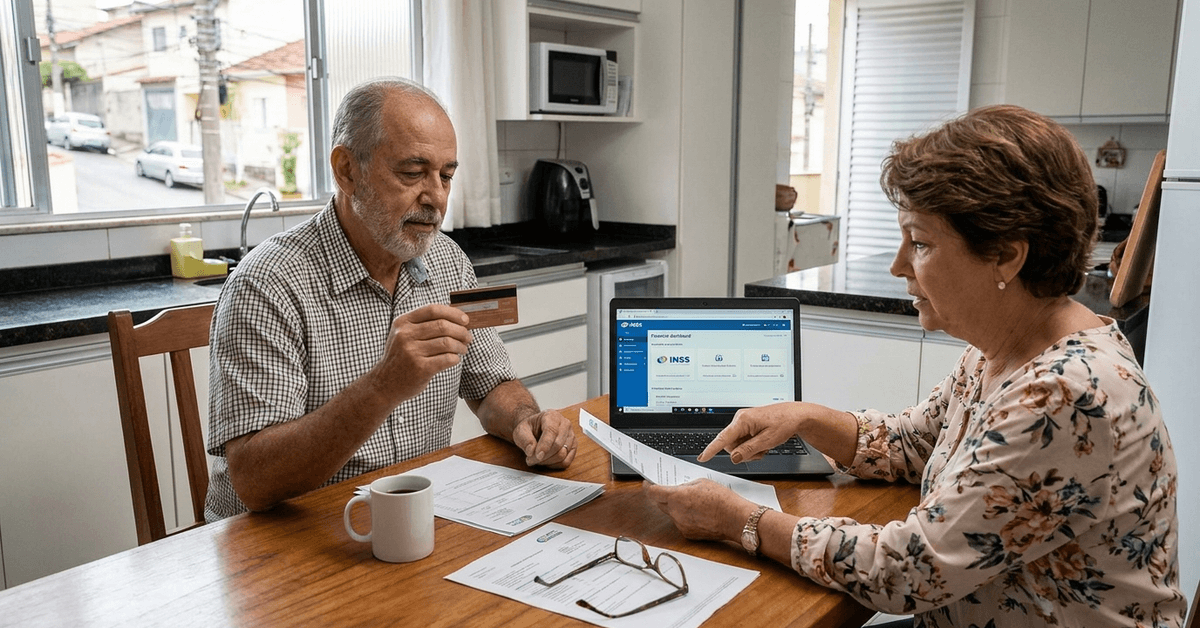
Imagine a future where finishing high school becomes less of a financial struggle and more of an opportunity builder. The Pé-de-Meia program promises just that—a new government incentive targeting Brazilian students in secondary education from 2026.
This is not simply another scholarship: it’s a practical intervention designed to reduce dropout rates and strengthen educational prospects.
The Pé-de-Meia program offers financial support to eligible high school students, aiming to make it easier for families to support their children through to graduation.
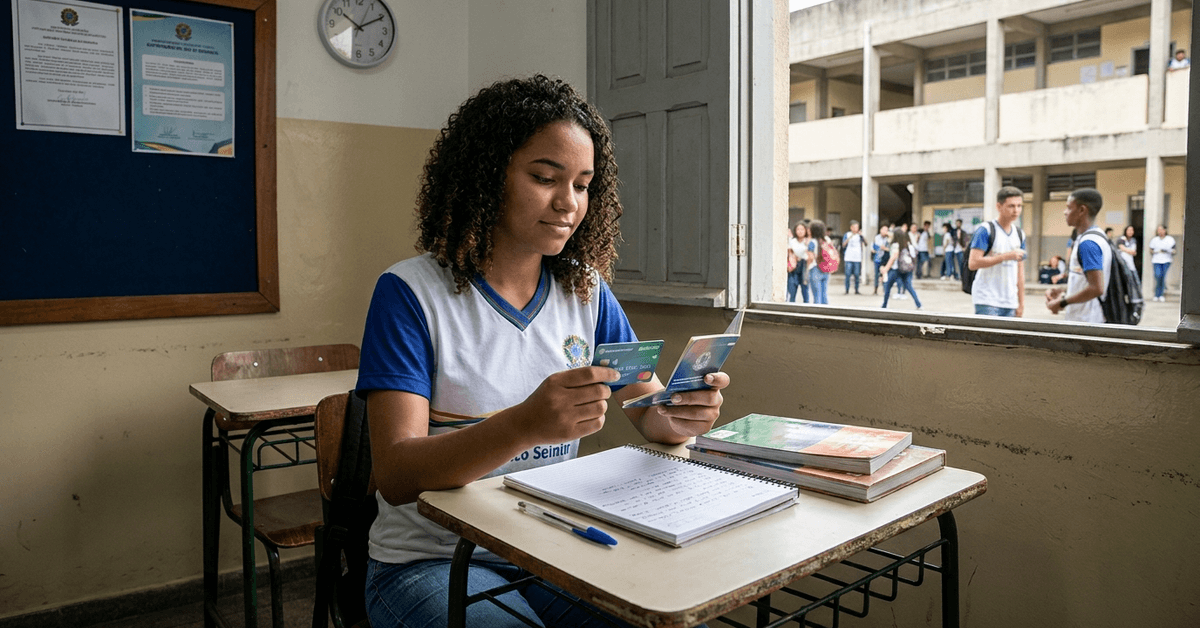
Understanding Your Options: What Is Pé-de-Meia and Who Qualifies?
There are several types of support available for Brazilian students, yet Pé-de-Meia stands out for its focus on persistence. Knowing the distinctions can help families plan ahead.
| Option | Best for | Main point |
|---|---|---|
| Pé-de-Meia | Low-income high school students | Regular deposits for those who meet attendance and performance rules |
| Bolsa Família | Families across education stages | Monthly payment tied broadly to school attendance |
| PROUNI | University entrants | Tuition scholarships—focus on higher education |
Pé-de-Meia: The 2026 Solution for High School Completion
Pé-de-Meia is a recent addition designed specifically for high school. It offers scheduled government savings based on steady attendance and continued academic progress. The main aim is to motivate students not just to enroll, but to finish their schooling.
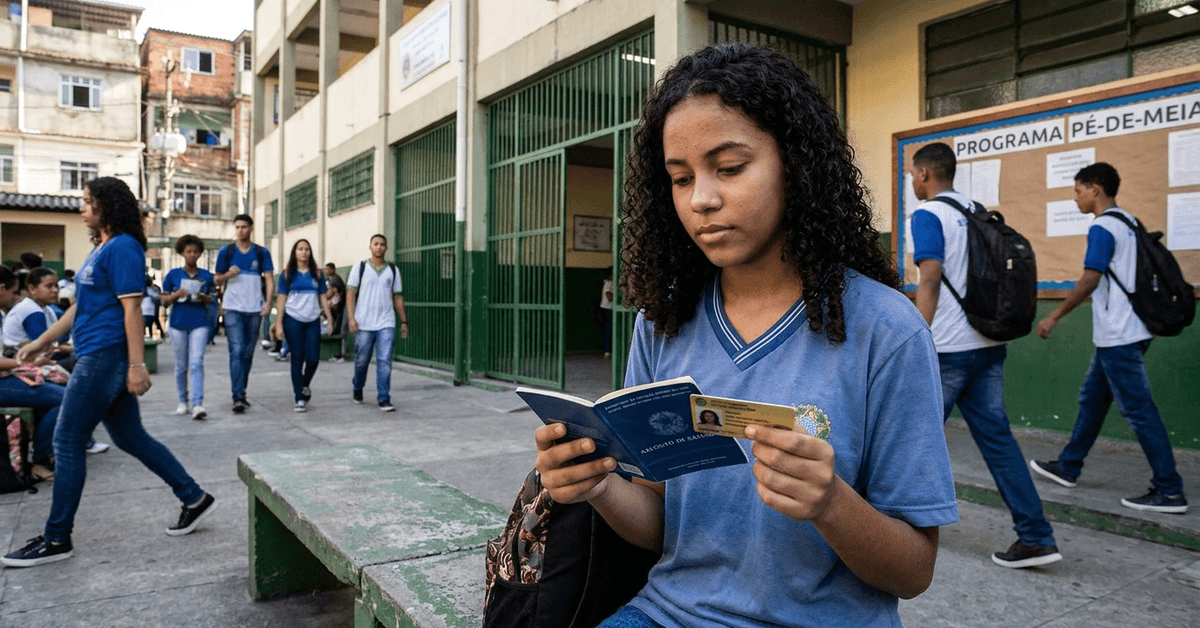
Who Usually Looks for Pé-de-Meia?
Families and students facing difficulties maintaining regular attendance or affording basic school-related expenses may find Pé-de-Meia especially relevant.
- Low-income families eligible for Cadastro Único
- Students at risk of dropping out
- Teenagers balancing study and work
Pé-de-Meia support is planned for students meeting specific income, enrollment, and attendance requirements. Registration in government databases may be required.
How Pé-de-Meia Works: A Step-by-Step View
The program works through monthly or periodic transfers to eligible students, usually linked to performance or engagement checks made by the school and verified with national education data.
- Student maintains school enrollment and minimum attendance
- School or education network confirms participation in official databases
- Pé-de-Meia program issues monthly deposits or yearly bonuses
- Funds accumulate—usually reserved until high school completion
Beyond Pé-de-Meia: Other Supports for Education
Brazil’s education benefits system includes several initiatives, but Pé-de-Meia aims to fill the gap between general family aids and higher education incentives.
Practical Example
A student receives a set amount per month through the program. By meeting attendance and passing requirements each year, they build up a final total accessible upon graduation.
Pé-de-Meia Values, Limits, and Conditions
While exact numbers may change, the program is designed to offer moderate support—enough to make a difference in everyday school participation, but not a full substitute for broader aid programs.
| Item | Details |
|---|---|
| Monthly deposit | Paid for regular attendance; value may be adjusted each year |
| Final bonus | Paid upon high school completion with approved results |
| Income requirement | Eligibility based on Cadastro Único registration |
Comparing Pé-de-Meia to Other Student Aid Options
Many families are familiar with Bolsa Família or university scholarships, but Pé-de-Meia occupies a unique space: fostering high school retention through ongoing, conditional savings.
| Choice | Advantages | Limitations | Best for |
|---|---|---|---|
| Pé-de-Meia | Encourages completion; new for high schoolers | Conditional; may be paused if requirements are not met | Ongoing high school students in low-income settings |
| Bolsa Família | Wider coverage, including younger students | Does not accumulate savings for graduation | Younger students or families with children in several grades |
| PROUNI | Higher education cost reduction | Only available after high school; competitive selection | Older students entering or in universities |
Benefits of Pé-de-Meia for Brazilian Students
Pé-de-Meia’s central idea is to reduce dropout risk and inspire completion, but it also brings other practical benefits for high school families.
Creates a Graduation Savings Culture
For the first time, many teens have a specific financial incentive tied to finishing school, which can build long-term positive habits.
Reduces Short-Term Pressures
Ongoing support helps with daily costs or emergencies, giving students one less reason to quit school prematurely.
Promotes Equity in Education
The targeted design aims to include historically excluded groups, supporting their school journey alongside wider economic challenges.
Potential Limitations and Risks
Despite its advantages, Pé-de-Meia is not a comprehensive solution for poverty or academic challenges. Students and families must be aware of its boundaries.
Conditional and Not Guaranteed
Support is only provided if monthly attendance and achievement requirements are maintained. Irregular attendance can lead to loss of benefits.
Limited Value Compared to Broader Needs
The program was never designed for full family support—it should complement, not replace, other forms of aid or employment assistance.
Checklist: How to Prepare for Pé-de-Meia Application
Before planning for Pé-de-Meia in 2026, students and guardians may want to use this practical review list:
- Check eligibility: Is your family in Cadastro Único? Is the student regularly enrolled in public high school?
- Compare costs: Review school-related expenses and see how Pé-de-Meia might help.
- Review official information: Stay updated through government portals or official channels.
- Confirm commitment: Plan for steady attendance and graduation to maximize support.
It is important to watch for future announcements and open registration windows, as late applications may miss eligibility for that school year.
Frequently Asked Questions
Who can apply for Pé-de-Meia?
Pé-de-Meia is focused on public high school students from low-income families already registered in Cadastro Único. Exact requirements may be detailed closer to 2026.
How are the monthly deposits paid?
Benefits are generally transferred to a savings account or payment card, managed by the government and overseen by educational authorities. Accumulated funds may be accessed after completing high school.
Can the benefit be lost during the school year?
If a student fails to meet the attendance or achievement requirements, future payments may be paused or suspended. Regular checks by schools will confirm ongoing eligibility.
Pé-de-Meia Program 2026: Key Takeaways for High School Support
The Pé-de-Meia program provides a fresh path for Brazilian high school students to earn ongoing support, with the goal of improving graduation rates and reducing dropout.
By blending conditional monthly deposits with broader education policy, it fills a gap between elementary family aid and post-secondary scholarships. It’s important to understand its requirements and use it along with other resources for maximum student success.
Families and students are encouraged to follow official updates, ensure all criteria are met each year, and review the conditions before planning based on potential program benefits.
※This article is for informational purposes only. Conditions, rates, eligibility, availability, and official rules may change, so always check the official website before applying or making a financial decision.