
The payroll credit card has become an increasingly popular tool among INSS retirees and pensioners in Brazil. For those looking for safer credit options combined with manageable interest rates, this card promises distinctive benefits.
While it’s not the perfect choice for everyone, understanding its features and requirements might help retirees decide if it fits their needs. Actually, the nuances can be surprising—sometimes even confusing—but a closer look clears up a lot.
This article is designed for INSS retirees and pensioners who want to discover the main advantages, potential risks, and real-world uses of payroll credit cards in their daily lives.
Those caring for aging family members might also find some value, especially if they’re exploring financial products that reduce stress and increase stability. While it’s not about urging action, perhaps the following insights could make future decisions a bit easier.
What Is a Payroll Credit Card for INSS Retirees?
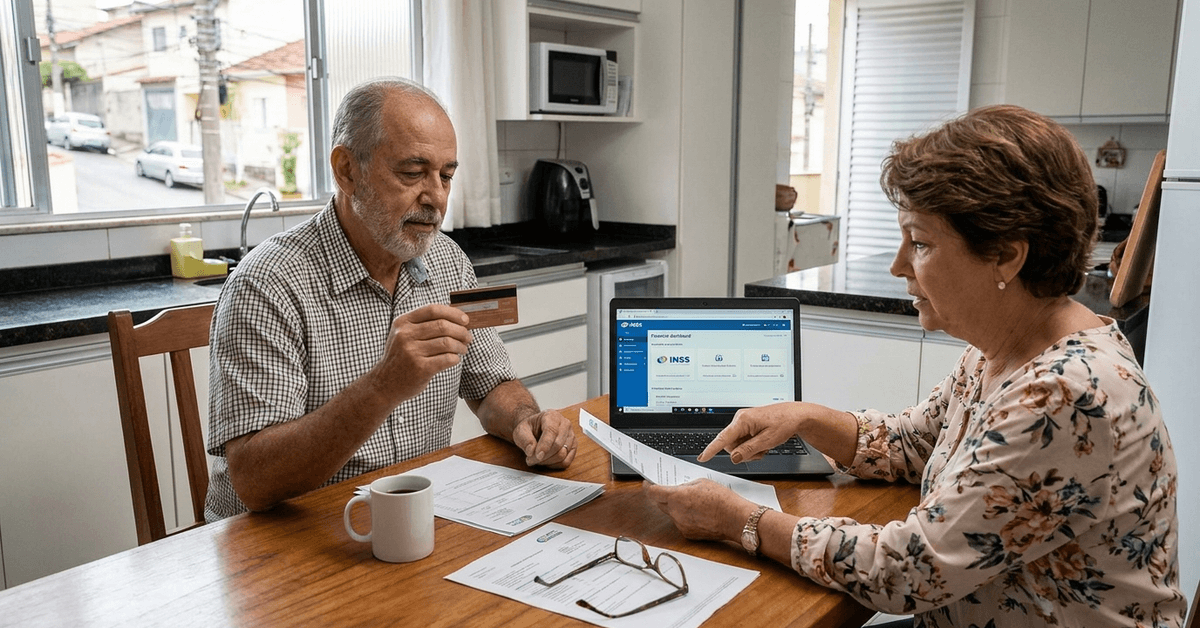
A payroll credit card (cartão de crédito consignado) is a credit product tailored for individuals who receive regular payments from the INSS, typically retirees and pensioners.
Unlike standard credit cards, the minimum monthly payment is automatically deducted from the beneficiary’s INSS benefit before the money even reaches their account.
This mechanism limits the risk of missed payments and helps keep interest rates in check, although it may not appeal to everyone.

Who Qualifies for This Card?
Eligibility is quite specific. Applicants must be receiving an INSS retirement or pension benefit. Age is rarely a barrier, which is refreshing, but Brazilian residency and active benefit status are always required.
Perhaps most importantly, the pension eligibility and the value received influence the approved credit limit.
For many, that direct connection between benefit and credit can feel reassuring—but, it’s wise to consider that it means your benefit is also the guarantee for repayment.
Main Advantages of Payroll Credit Cards for Retirees and Pensioners
Some of the top reasons retirees show interest in this option:
- Lower interest rates compared to traditional credit cards
- No need for detailed credit analysis in most cases
- The minimum payment is deducted automatically
- Few annual fees or hidden charges
- Extended grace periods for purchases
On the surface, these advantages give retired people the sense of security and simplicity they often prefer.
No juggling multiple due dates or worrying about falling into default. Still, automatic deductions mean less monthly flexibility. Sometimes that trade-off isn’t ideal if cash flow fluctuates.
Potential Risks and Considerations
Although the benefits may seem appealing, payroll credit cards are not without potential pitfalls. There might be, perhaps, a tendency to overlook the downsides because the product feels ‘safe’.
However, manageable interest rates do not mean zero risk. Automatic deductions can lead to unpleasant surprises if extra purchases create higher balances.
Over time, benefit reductions or cost-of-living increases could make even manageable payments feel heavy. For those who tend to use much of their limit, the risk of overextension is real.
Special attention to fine print, fees, and clauses is necessary. Some retirees find themselves locked into contracts with unfavorable terms, especially if they aren’t accustomed to reading the full card agreement.
Others have reported confusion around repayment schedules and charges. Seeking clear, printed explanations from the card provider before signing might help, since oral explanations can sometimes be incomplete.
Understanding Your Limit
Most payroll card limits are calculated as a percentage of the retiree’s or pensioner’s benefit. The standard is often capped at 1.6 times the monthly income, but terms vary between banks.
A higher benefit will mean a higher limit, so the product scales with the individual’s financial base. While this seems logical, it occasionally leads some to feel pressured to use more credit than they truly need.
If you’ve ever wondered, “Do I really need that high of a limit?”—that’s a valid question, and sometimes there’s no easy answer.
How Payroll Credit Cards Compare to Other Financial Products
When compared to regular credit cards or personal loans, payroll cards stand out mainly for ease of approval and lower interest.
Still, the forced minimum payment removes some monthly flexibility. If someone is weighing this product against others, a side-by-side look might be helpful:
| Feature | Payroll Credit Card | Traditional Credit Card | Personal Loan |
|---|---|---|---|
| Interest Rate | Low | Medium-High | Low-Medium |
| Approval Difficulty | Easy | Medium/Hard | Medium |
| Automatic Payment | Yes | No | Yes (installments) |
| Spending Limit | Based on benefit | Based on analysis | Based on analysis |
| Intended Use | Ongoing purchases | Ongoing purchases | Specific needs |
While the payroll card is often more appealing to those with lower or fixed incomes, a personal loan is usually used for unique events or large purchases rather than daily spending.
Tips for Responsible Use
If used carefully, a payroll credit card can offer genuine financial relief and flexibility. A few helpful habits might make a difference:
- Review your monthly statement in detail
- Keep track of card usage, including installment purchases
- Avoid treating the card as extra income; it’s deferred payment
- Stay aware of outstanding balances and total deductions
- Ask questions about changing interest or new fees if they appear
It can be tempting to rely on the card for all major purchases, especially if it seems more ‘stable’. But for those watching their budget closely, spreading expenses too thinly might generate new stress instead of solving problems.
Sometimes, setting up simple reminders to check the balance or keeping a notebook can make staying organized much easier.
Where to Apply and What to Expect
Applications can usually be submitted through major banks or financial institutions operating in Brazil—such as Banco do Brasil, Caixa Econômica Federal, or Bradesco.
Application procedures are streamlined, often requiring only proof of benefit, ID documents, and address verification. Most banks offer online pre-qualification, but verifying security before sharing data is especially important.
While approvals are typically fast, some cases demand further review. It’s not uncommon for retirees to wonder about application rejections, especially if their benefit is new or recently adjusted.
Popular Providers
The following institutions are recognized for payroll credit card offerings:
- Banco do Brasil
- Caixa Econômica Federal
- Bradesco
- Itaú
- Banco Pan
Some credit unions, known locally as cooperativas de crédito, also have specialized payroll options for retirees, typically with more individualized customer service.
For official updates and provider details, the Banco Central do Brasil website has a regularly updated registry.
Alternatives Worth Considering
Not every INSS retiree finds the payroll credit card suitable. Some opt for traditional credit cards, prepaid options, or digital banks with low fees and high flexibility. Others even avoid credit entirely, preferring the predictability of cash or debit cards.
Each approach reflects personal habits, priorities, and past experiences—so what feels right for one person might not for another.
Prepaid and Debit Options
For retirees who want to limit spending to what’s available, prepaid or debit cards might feel safer. These tools offer payment convenience but eliminate the chance for unexpected deductions or future obligations.
While they don’t build credit or provide grace periods, the simplicity can be refreshing for people who want to avoid complicated contracts entirely.
Frequently Asked Questions
- Can INSS payroll credit cards be used abroad? Yes, most cards with the Visa or MasterCard symbol are accepted globally. Currency conversion fees may apply.
- Is it possible to cancel a payroll credit card? Cancellation is generally straightforward, but may require written notice. Automated deductions stop within a set period after cancellation confirmation.
- Will using a payroll card affect INSS benefits? The card itself doesn’t impact benefit calculations, provided obligations are met. Problems arise only if deduction disputes or unpaid debts occur.
Conclusion
A payroll credit card for INSS retirees and pensioners can offer convenient access to credit, but it should be used with clear planning.
The main advantage is predictable repayment, yet users still need to review limits, fees, interest, and deducted amounts carefully. Choosing responsibly helps avoid surprises and protects monthly income.